
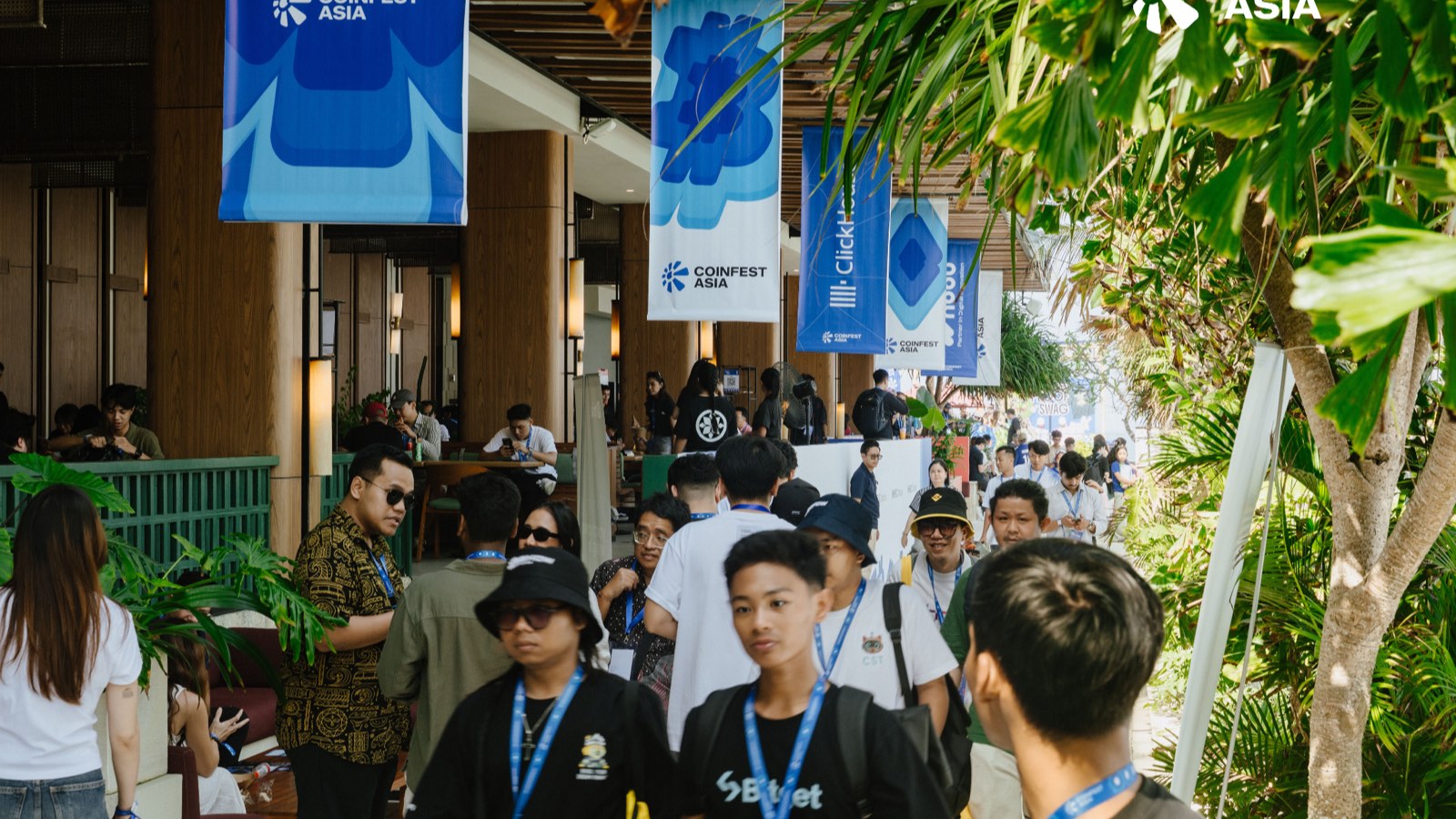
Coinfest Asia 2026: Regulators, Founders and 10,000 People on a Beach
Most crypto conferences put regulators on one stage and builders on another, and the two rooms never meet. Coinfest Asia ran the opposite experiment: 10,000 people from 90 countries across five beach clubs on Melasti Beach in Bali on 20-21 August 2026, with lawmakers, exchange executives and founders in the same sessions. WenAltSeason was there as a media partner. Here is what the festival actually signalled about where adoption in the region is heading.
The format is the point
Coinfest has run since 2019, organized by Coinvestasi, part of Indonesia Crypto Network. It started as a community meetup in Jakarta and grew into a festival that now doubles as a policy venue - a combination almost no other event in the region pulls off.
Steven Suhadi, Founder of Indonesia Crypto Network, framed the design choice directly:
The beach-club setting reads as aesthetics until you look at the attendee list. Getting a sitting lawmaker and an exchange CEO into an unstructured conversation is a hard problem, and informal venues solve it better than panel rooms do.
Who was in the room
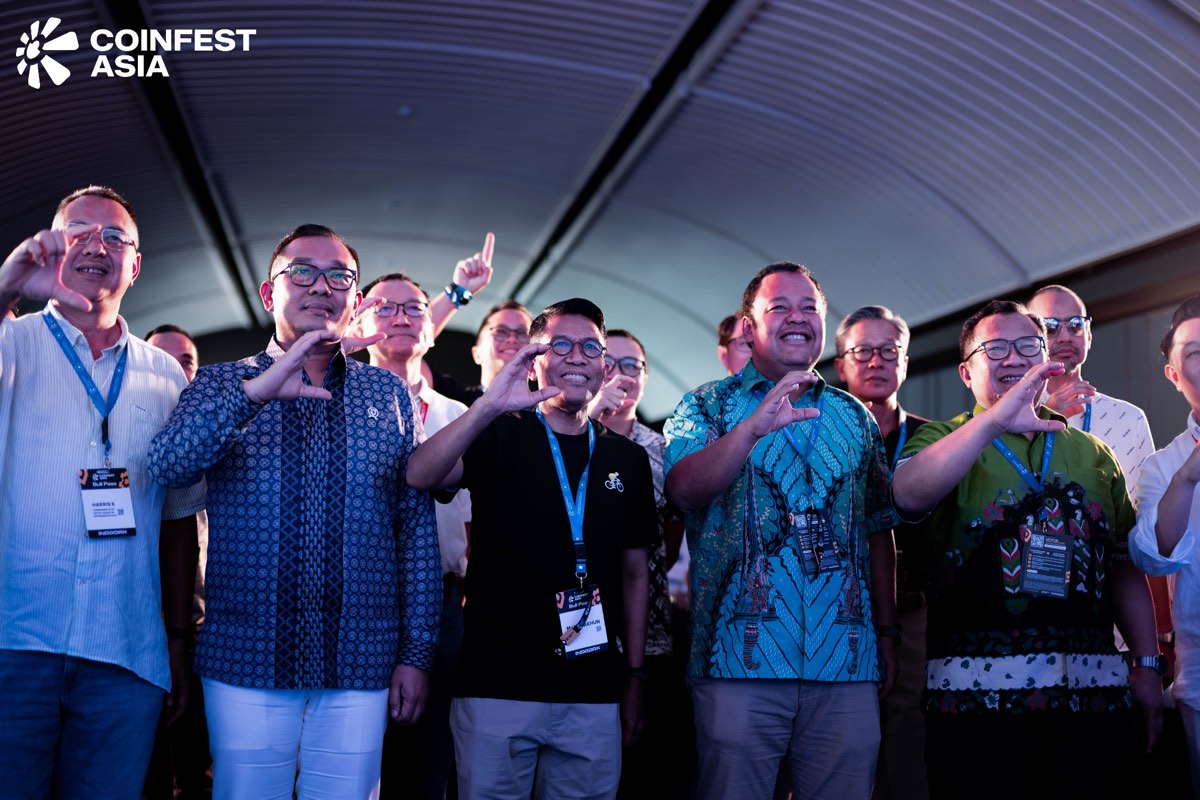
The Indonesian side brought institutional weight: Mukhamad Misbakhun, Chairman of Commission XI of the House of Representatives; Todotua Pasaribu, Vice Minister of Investment and Downstreaming; Adi Budiarso from the Financial Services Authority (OJK); Pantro Pander Silitonga, Executive Director of the National Economic Council; plus Kai Hamza Pang of ICEx Group and William Sutanto of INDODAX.
The global side sent operators rather than speakers-for-hire: Alexander Svanevik (Nansen), Vugar Usi (MEXC Ventures), Angela Ang (BitGo), Chengyi Ong (Circle). Yi He of Binance and Charles Hoskinson of Input Output joined virtually.
Indonesia is building a financial centre, and crypto is in the plan
The most concrete signal came from policy. Pantro Pander Silitonga presented the Indonesia International Financial Center, projected to attract roughly Rp300-500 trillion (US$16.9-28.1 billion) in investment, with digital assets written into the scope rather than tolerated at the edges.
Misbakhun, who chairs the commission that handles financial legislation, drew the regulatory line in one sentence:
He also pointed at tokenization for mining, property and infrastructure - the asset classes that carry an economy built on resources rather than software.
The industry's own framing has moved
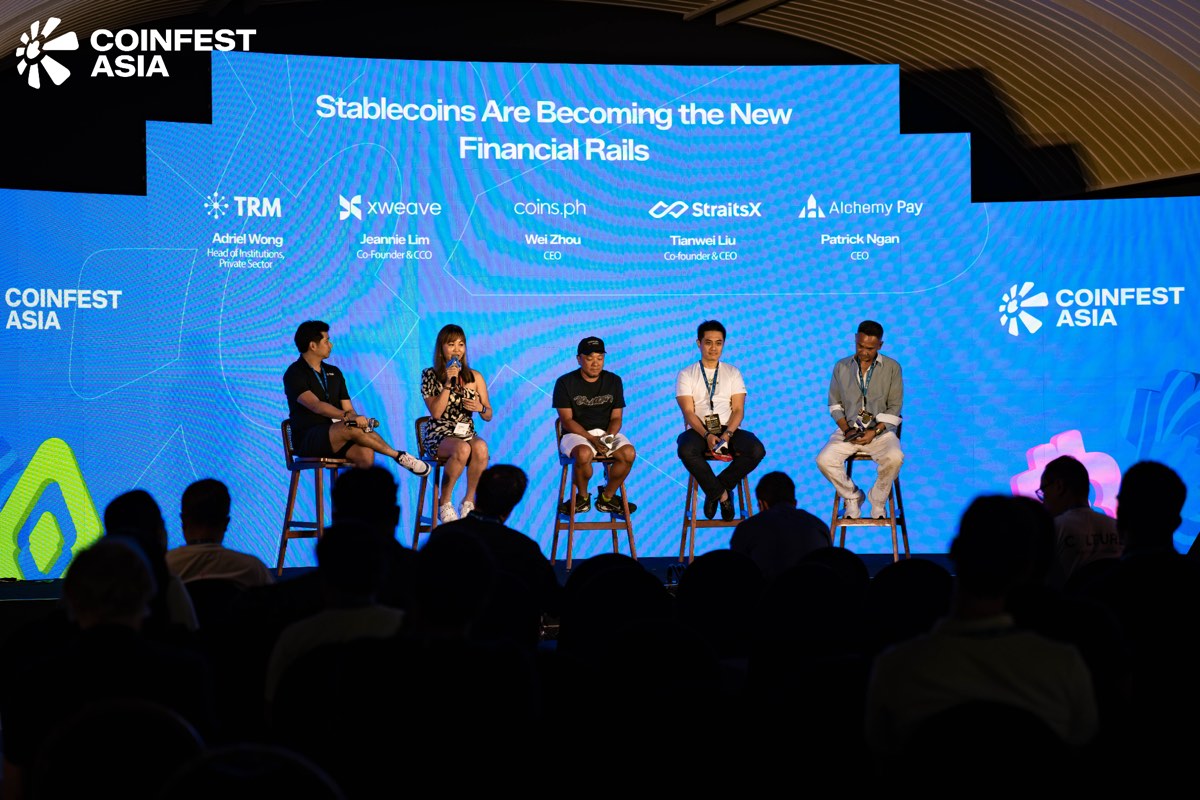
Two of the biggest names on the bill said versions of the same thing, and it is worth noticing what they did not say. Neither argued that the technology works.
Hoskinson put stablecoins, real-world assets, regulation, privacy and AI in the next phase, and asked how Web3 and traditional finance merge by 2030. The debate has moved from proving the rails to proving the payoff.
Institutions showed up behind closed doors
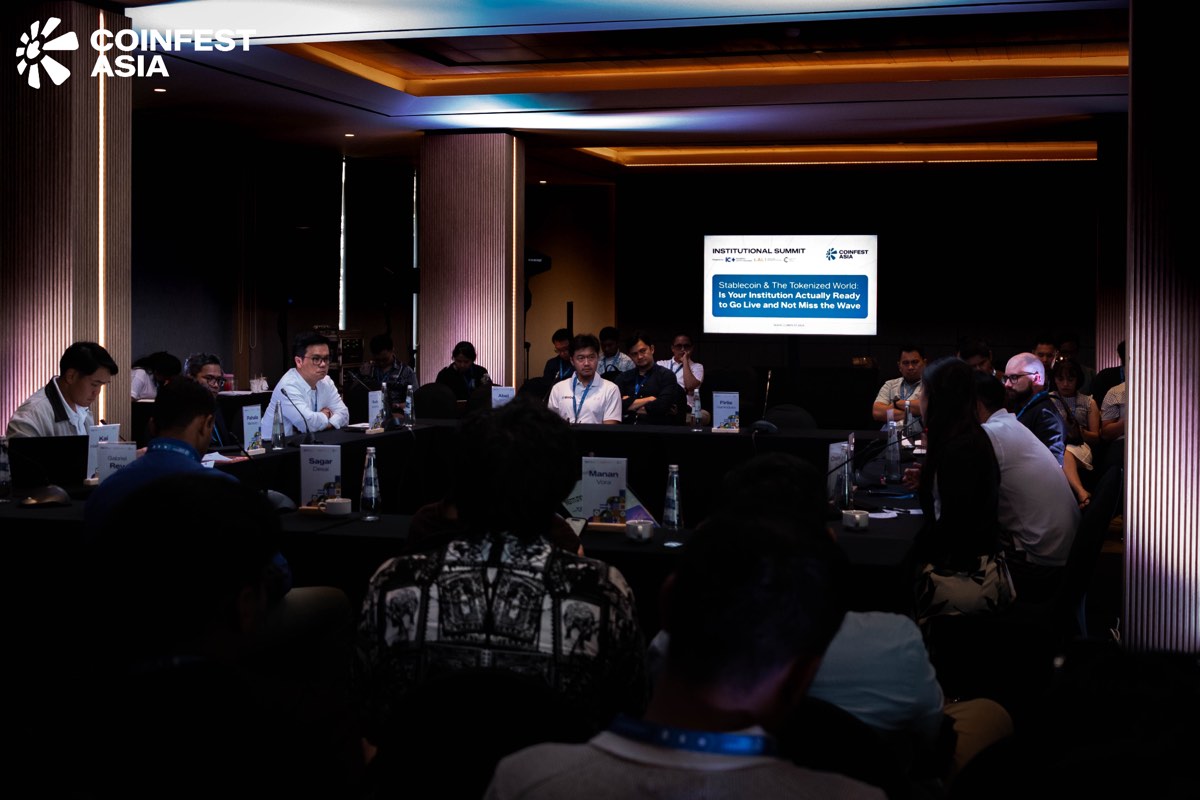
The Institutional Summit - a closed-door track supported by ICEx, CACI and ICC - put OJK, Bank Indonesia, Danantara Indonesia, the Indonesia Stock Exchange, Bappenas and KADIN in one room with industry. The sessions read like a to-do list for the region: "Tokenization: Which Assets Will Actually Scale in Asia?" and "Stablecoins in Asia: From Crypto Settlement to Real Corporate Payments."
Both titles ask the same question we keep hearing in our own Spaces: which of this has real buyers, and which is a deck.
Builders and traders got their stage too
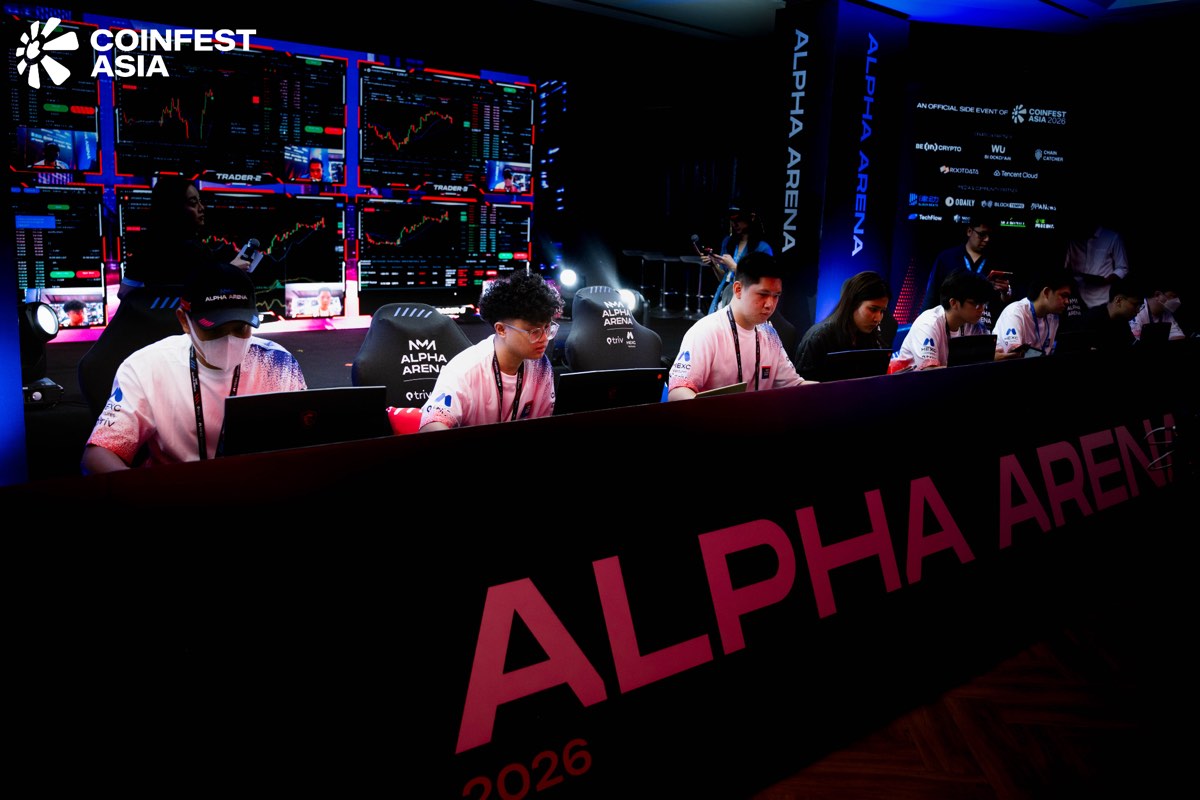
ShardLab closed its ninth Protocol Camp cohort with a demo day: six Indonesian teams presented Web3 and AI products, the program run alongside the Ministry of Creative Economy. Alpha Arena wrapped its Grand Final on the trading side, a US$100,000 prize pool backed by MEXC Ventures.
What we took from it
Three things worth carrying into any Asia go-to-market plan.
Regulators are participants, not an obstacle course. In Jakarta the conversation is about where crypto fits inside a national financial centre. A project entering the region with a compliance-last posture is reading the room wrong.
The interesting asset classes are local. Mining, property, infrastructure - the tokenization pitch that lands in Indonesia is not the one that lands in New York.
Trust is built in person, then distributed online. The festival format works because relationships form off-stage; what turns them into reach is what gets recorded, clipped and published afterwards. That is the same reason we run our Spaces and video shows the way we do.
WenAltSeason was a media partner at Coinfest Asia 2026.